
Tooth decay is one of the most common dental problems in both children and adults, yet many people are unsure what actually causes it or how to prevent it. While tooth decay can sometimes begin without obvious symptoms, leaving it untreated can lead to pain, infection, tooth loss and the need for more complex dental treatment.
The good news is that, in many cases, tooth decay can be avoided. Looking after your teeth every day and seeing your dentist regularly can make a big difference. Knowing what causes decay and recognising the early signs can help you deal with problems early, before they become more painful or difficult to treat.
At Walnut Dental, our friendly and experienced team provides preventive dental care to patients of all ages in a calm, welcoming environment. Whether you are worried about cavities, experiencing sensitivity or simply want to improve your oral health, our dental clinic in Milton Keynes is here to help.
In this guide, we explain everything you need to know about tooth decay, how to recognise it, and the best ways to prevent it.
What Causes Tooth Decay And How To Prevent It
We will explain all of the following topics:
- What is tooth decay and how is it caused?
- What does tooth decay look like?
- Can you reverse tooth decay?
- How do you get rid of tooth decay?
- How to stop tooth decay
What Is Tooth Decay And How Is It Caused?
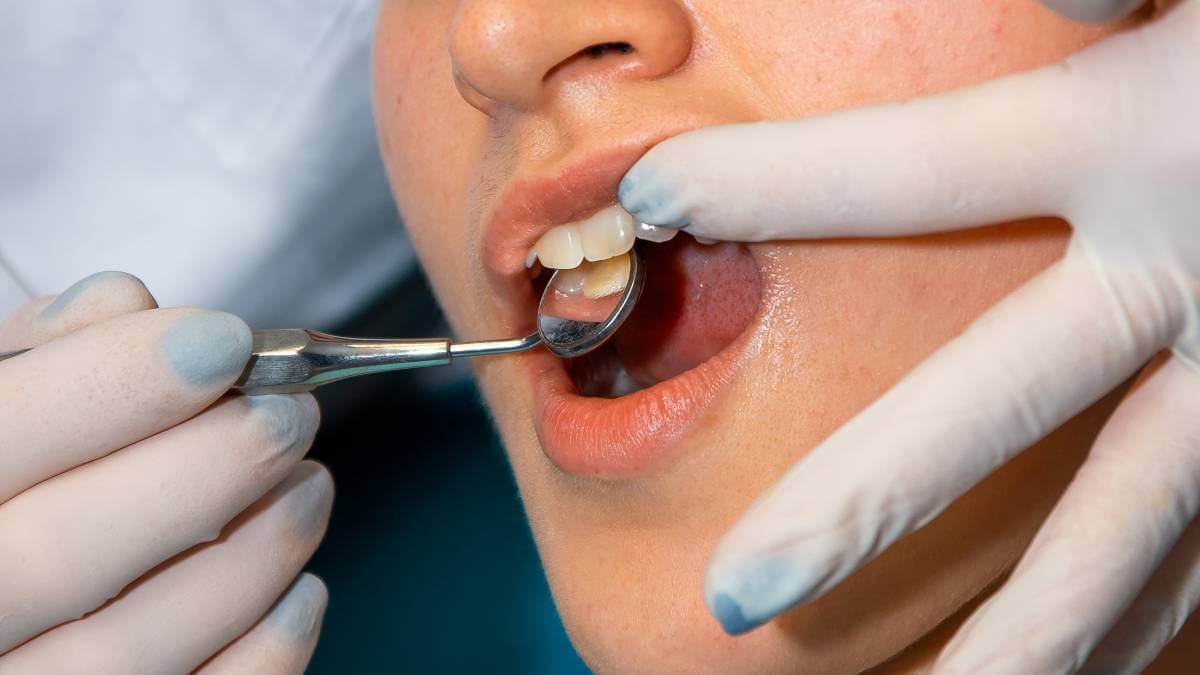
Tooth decay, also known as dental caries or cavities, is the gradual breakdown of your tooth structure caused by acids produced by bacteria in the mouth. It happens when plaque, a sticky layer of bacteria, builds up on the teeth and feeds on sugars and starches from food and drinks.
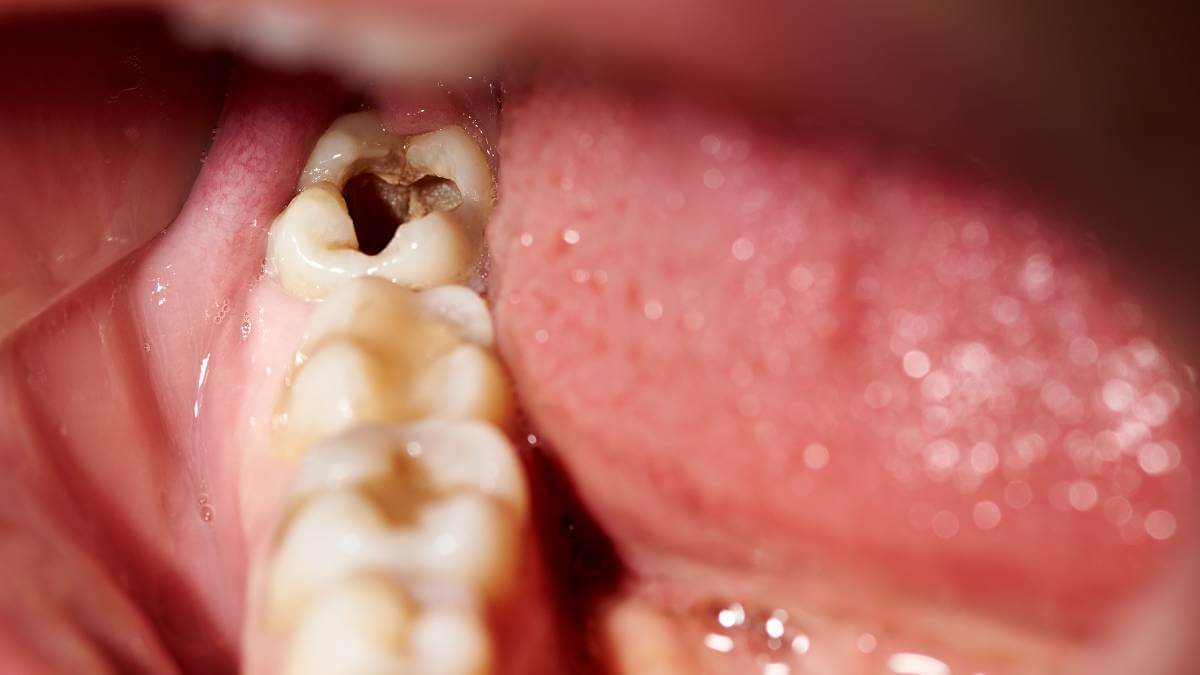
As the bacteria break down these sugars, they produce acids that slowly weaken and dissolve the protective outer layer of the tooth, known as enamel. Over time, this damage can progress deeper into the tooth and eventually form a cavity.
Common causes of tooth decay include:
- Poor brushing and flossing habits
- Frequent sugary snacks and drinks
- Acidic foods and beverages
- Plaque and tartar build-up
- Dry mouth
- Smoking or vaping
- Skipping regular dental check-ups
- Poor diet and high sugar intake
According to NHS oral health advice, plaque bacteria are one of the leading causes of gum disease and tooth decay, particularly when oral hygiene is inconsistent.
Why does sugar play such a big role in tooth decay?
Every time you eat sugary or starchy foods, bacteria in your mouth create acids for around 20 to 30 minutes afterwards. If this happens repeatedly throughout the day, your enamel does not have enough time to recover.
This is why frequent snacking and sugary drinks can increase your risk of cavities significantly.
Foods and drinks that may contribute to tooth decay include:
- Fizzy drinks
- Energy drinks
- Sweets and chocolate
- Biscuits and cakes
- Fruit juices
- Dried fruits
- Sugary cereals
Even some foods marketed as healthy can contain hidden sugars or acids that affect your teeth.
What happens when enamel becomes damaged?
Enamel is the hardest substance in the human body, but it cannot repair itself once significant damage occurs. In the earliest stage of decay, minerals begin to be lost from the enamel, a process called demineralisation.
At this stage, you may notice:
- White spots on the teeth
- Mild sensitivity
- Rough patches on enamel
If the decay continues, the enamel weakens further and cavities begin to form.
At our dentist in Milton Keynes, we often see patients who are surprised by how quickly untreated decay can progress. Early treatment is always the best option because it helps protect more of the natural tooth structure.
Can tooth decay affect children?
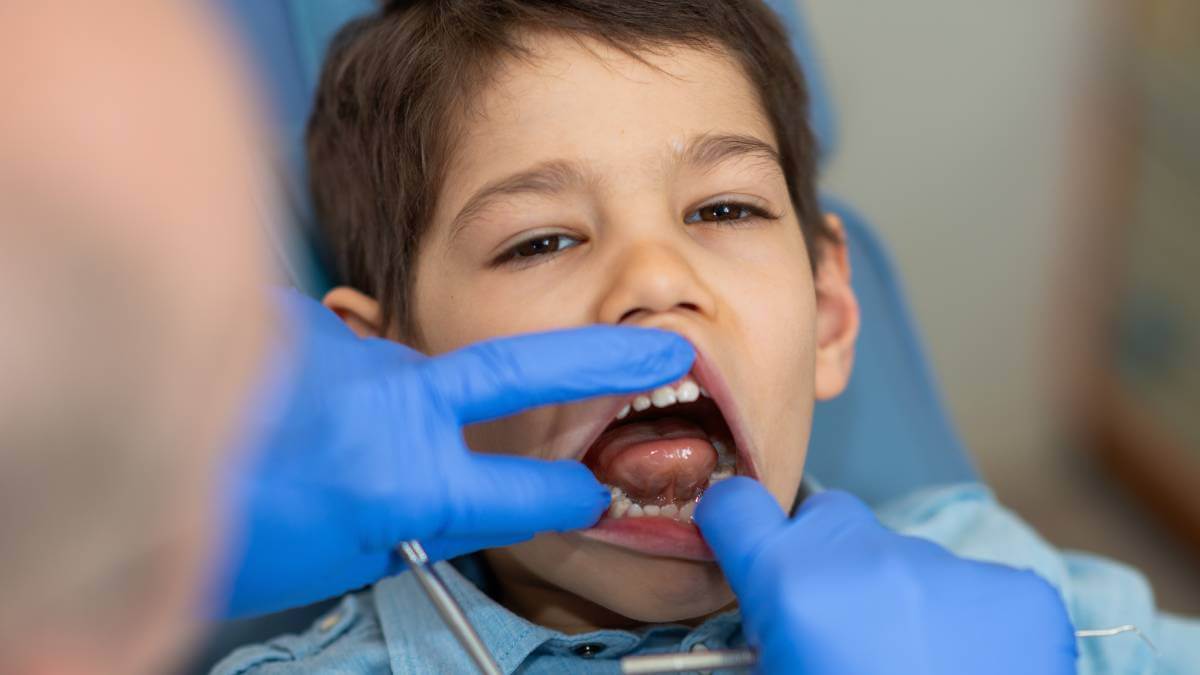
Yes, tooth decay is extremely common in children. In fact, many children experience cavities in their baby teeth due to sugary diets and inconsistent brushing habits.
Children are often more vulnerable because:
- They may struggle to brush effectively
- They tend to snack more frequently
- Baby teeth have thinner enamel
- Sugary drinks are often consumed regularly
The British Society of Paediatric Dentistry highlights the importance of early prevention and regular dental visits for children to reduce the risk of decay.
Even though baby teeth eventually fall out, keeping them healthy is still very important. Premature tooth loss can affect speech, eating habits and the positioning of adult teeth.
What Does Tooth Decay Look Like?
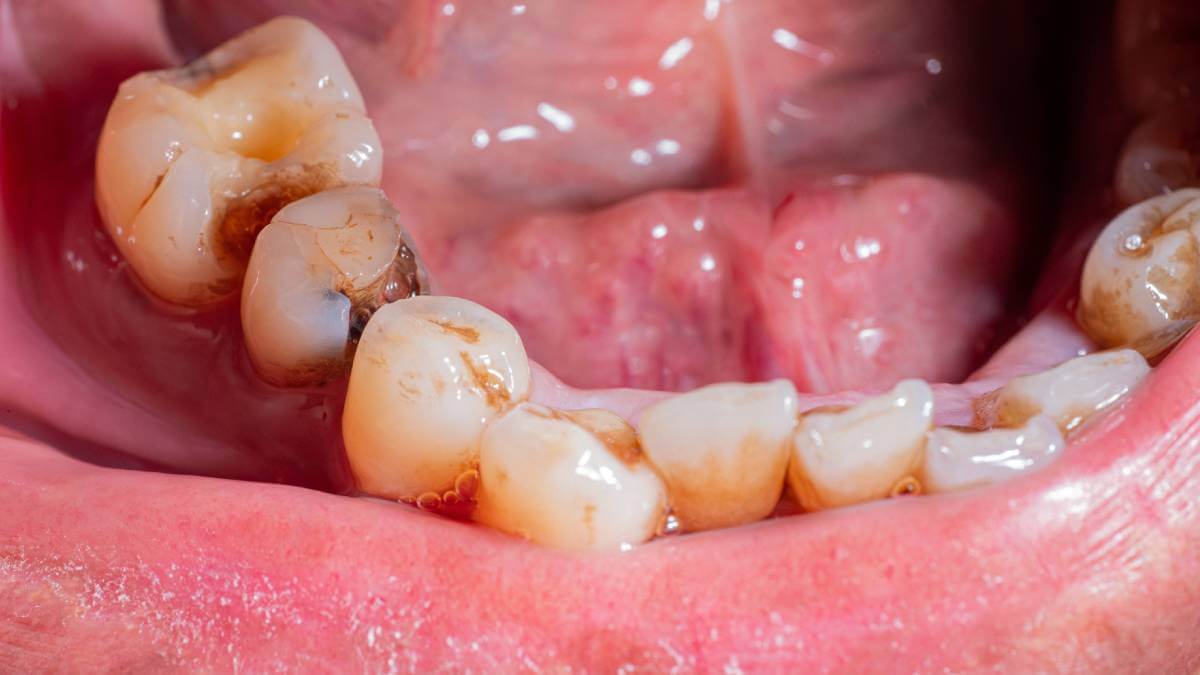
Tooth decay does not always look obvious in the beginning. Early stages of decay can be difficult to spot without a professional dental examination, which is why regular check-ups are so important.
As decay progresses, the appearance and symptoms usually become more noticeable.
Common signs of tooth decay include:
- White patches on enamel
- Brown or black spots on teeth
- Visible holes or pits
- Tooth sensitivity
- Pain when eating or drinking
- Bad breath
- Swollen gums near the affected tooth
Cavities are areas of permanent damage that form holes in the tooth surface. They can vary in size and severity depending on how long the decay has been developing.
What does early tooth decay look like?
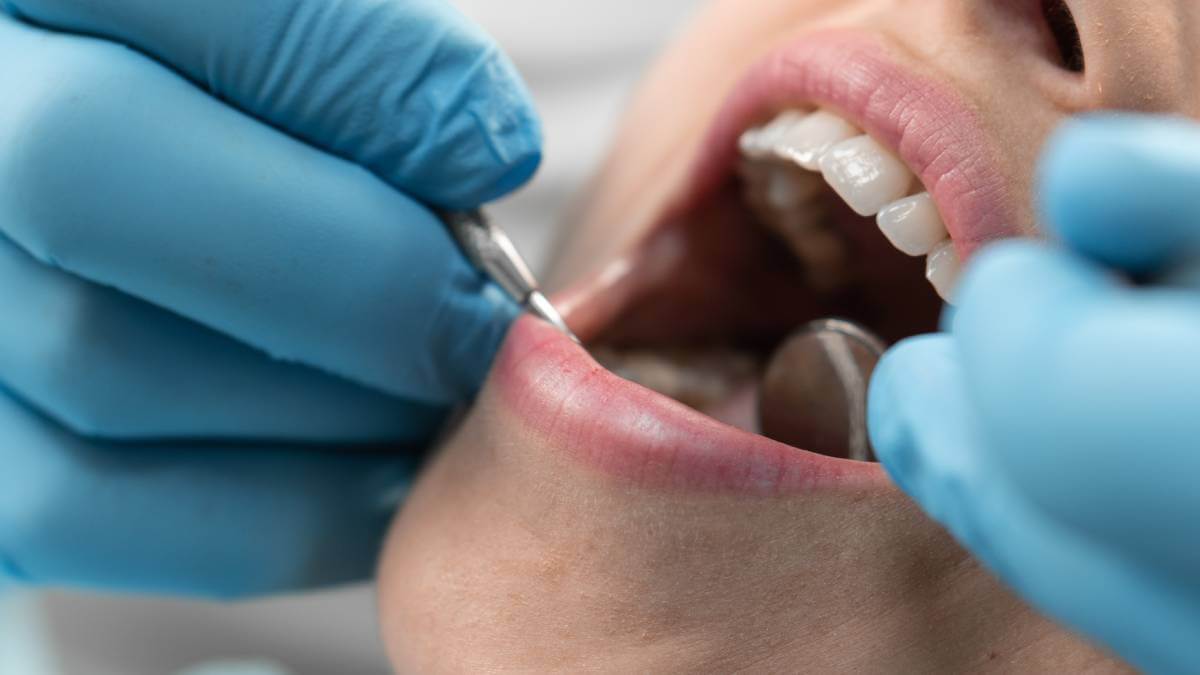
In the earliest stages, tooth decay may appear as chalky white areas on the enamel. These white spots are often a sign that minerals are being lost from the tooth surface. At this point, the tooth may still be repairable through preventive care and fluoride treatment. As the decay progresses deeper into the enamel, darker staining may appear.
You may also notice increased sensitivity to:
- Cold drinks
- Hot foods
- Sweet foods
- Brushing
If decay reaches the inner pulp of the tooth, symptoms may include:
- Severe toothache
- Swelling
- Infection
- Abscess formation
- Difficulty chewing
At this stage, more advanced treatment such as root canal therapy or extraction may be required. The Oral Health Foundation explains that untreated tooth decay can eventually affect both oral health and overall well-being if infection spreads.
Can adults get cavities too?
Many people associate cavities with children, but adults can develop tooth decay at any age. In fact, adults may experience decay due to:
- Receding gums
- Older dental fillings
- Dry mouth caused by medication
- Acid erosion
- Poor oral hygiene
- Smoking
Sometimes new decay develops around older fillings placed many years ago. This is known as recurrent decay.
Adults are also more likely to experience root decay as the gums naturally recede with age. Unlike enamel, root surfaces are softer and more vulnerable to bacterial damage.
How do dentists identify tooth decay?
At Walnut Dental, our experienced team uses several methods to identify signs of decay early. This may include:
- Visual examinations
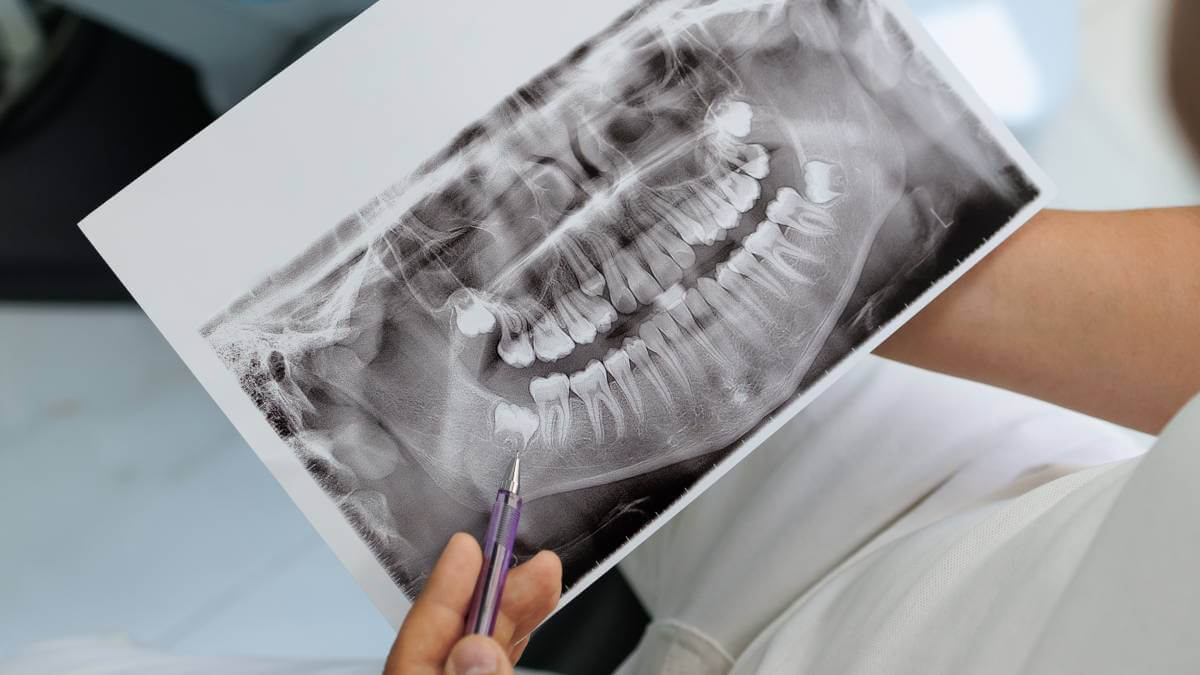
- Dental X-rays
- Checking for soft areas
- Assessing plaque build-up
- Reviewing symptoms
Early diagnosis is important because smaller cavities are usually easier and less invasive to treat. Regular visits to our dental clinic in Milton Keynes can help identify problems before they become painful or expensive to manage.
Can You Reverse Tooth Decay?
One of the most common questions patients ask is whether tooth decay can heal naturally. The answer is yes, but only during the very earliest stage before a cavity forms.
In the beginning stages of decay, enamel becomes weakened through demineralisation. At this point, minerals such as calcium and phosphate can sometimes be restored to the enamel surface through good oral hygiene and fluoride exposure.
Once a physical hole forms in the tooth, however, the damage is permanent and professional treatment is required.
How can early tooth decay be reversed?
Early enamel damage can often be improved through:
- Brushing twice daily with fluoride toothpaste
- Reducing sugary foods and drinks
- Improving flossing habits
- Drinking more water
- Using fluoride mouthwash
- Attending regular dental check-ups
Fluoride plays a particularly important role because it helps strengthen enamel and make teeth more resistant to acid attacks.
The NHS strongly supports constant care to maintain good oral health.
What is demineralisation?
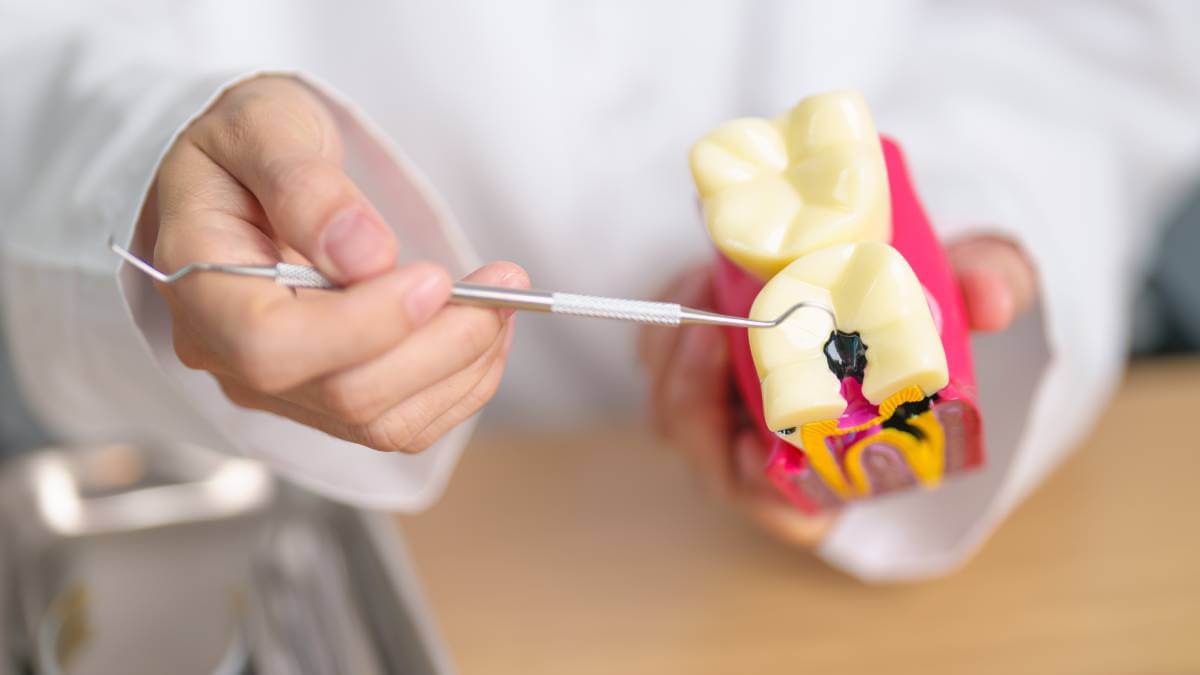
Demineralisation is the process by which acids remove minerals from tooth enamel. It is the first stage of tooth decay and often appears as white spots on the teeth.
At this stage, the enamel surface remains intact, which means the process may still be reversible. However, if acid attacks continue repeatedly, the enamel eventually breaks down and a cavity forms.
What lifestyle changes help reverse early decay?
Small lifestyle adjustments can make a significant difference to oral health. Helpful changes include:
- Limiting sugary snacks between meals
- Drinking water instead of fizzy drinks
- Avoiding smoking
- Eating a balanced diet
- Attending hygiene appointments
- Brushing before bed every night
Consistency is key. Even healthy habits can struggle to protect teeth if they are only followed occasionally.
At our dental clinic in Milton Keynes, we regularly provide preventive advice tailored to each patient’s lifestyle and oral health needs.
How Do You Get Rid of Tooth Decay?
Once a cavity develops, tooth decay cannot heal on its own. Professional dental treatment is needed to remove the damaged tissue and restore the tooth.
The treatment required depends on how severe the decay has become. Common treatments for tooth decay include:
- Dental fillings
- Fluoride treatments
- Root canal treatment
- Dental crowns
- Tooth extraction
Why is early treatment important?
The sooner tooth decay is treated, the simpler and less invasive the treatment usually is.
Small cavities can often be repaired quickly with a filling. However, if decay is ignored, the infection may spread deeper into the tooth, requiring more extensive treatment.
Ignoring tooth decay may lead to:
- Severe pain
- Infection
- Abscesses
- Tooth loss
- Difficulty eating
What happens during a root canal?
If decay reaches the inner pulp of the tooth, root canal treatment may be necessary. This procedure involves:
- Removing infected tissue
- Cleaning the root canals
- Sealing the tooth
- Restoring it with a filling or crown
Although many people worry about root canal treatment, modern techniques make the procedure much more comfortable than many expect.
At Walnut Dental, our friendly team always aims to make patients feel calm and reassured throughout treatment. If you are wondering: what is a root canal? We have an article on this topic in our blog.
Can a decayed tooth need to be removed?
Sometimes a tooth becomes so damaged that it cannot be safely saved. In these cases, extraction may be the best option to protect the surrounding teeth and gums.
Dentists always aim to preserve natural teeth whenever possible, but removing a severely infected tooth may sometimes be necessary.
What should you do if you think you have tooth decay?
If you notice symptoms such as sensitivity, pain or visible holes in your teeth, it is important to book a dental appointment as soon as possible. Early treatment can often prevent more complicated procedures later.
Our dentist in Milton Keynes welcomes patients who may feel nervous or worried about dental treatment. We understand that visiting the dentist can feel overwhelming for some people, and we always aim to create a supportive and relaxed environment.
How Do I Stop Tooth Decay?
Preventing tooth decay is much easier than treating it. The best way to protect your teeth is through a combination of good daily habits and regular professional care.
One of the simplest ways to remember healthy oral habits is the 2-2-2 rule:
- Brush twice a day
- Brush for two minutes
- Visit your dentist twice a year
Following this routine consistently can significantly reduce the risk of cavities and gum disease.
How should you properly brush your teeth?
Brushing correctly is just as important as brushing regularly.
For the best results:
- Use a fluoride toothpaste
- Brush for at least two minutes
- Use gentle circular movements
- Clean along the gum line
- Replace your toothbrush every three months
Electric toothbrushes can also help improve plaque removal for many patients.
Meanwhile, reducing sugary and acidic foods can lower the risk of enamel erosion and cavities. The NHS sugar advice explains how excess sugar affects both oral health and general well-being.
Protecting Your Smile for the Future
Understanding what causes tooth decay is one of the most important steps towards protecting your oral health. While tooth decay is extremely common, it is often preventable with the right daily habits, a healthy diet and regular professional dental care.
At Walnut Dental, we know that looking after your smile is about more than just treatment when something goes wrong. That’s why we focus on helping patients prevent problems before they develop, while making every visit feel as comfortable and reassuring as possible. Our friendly and experienced team takes the time to get to know you, answer your questions and provide care that feels personal, supportive and tailored to your needs.
If you are experiencing symptoms of tooth decay or would like advice on improving your oral health, our friendly dental clinic in Milton Keynes is here to help. Whether you need a routine check-up, hygiene appointment or restorative treatment, our dentist in Milton Keynes can provide tailored care designed around your needs.
Contact Walnut Dental today to book an appointment and take the next step towards a healthier smile.