
Visiting the dentist isn’t just about fixing problems when something hurts. A big part of good oral health is prevention, and that’s where dental hygienists play a vital role. If you’ve ever wondered what a dental hygienist does, how they differ from a dentist, or whether you really need to see one, this guide explains everything clearly and simply.
At Walnut Dental, our hygiene appointments are designed to support long-term oral health in a relaxed, friendly setting. Whether you’re attending regularly or booking your first visit in a while, understanding the role of a dental hygienist can help you feel more confident about your care.
What Does A Dental Hygienist Do and Why Are They Important?
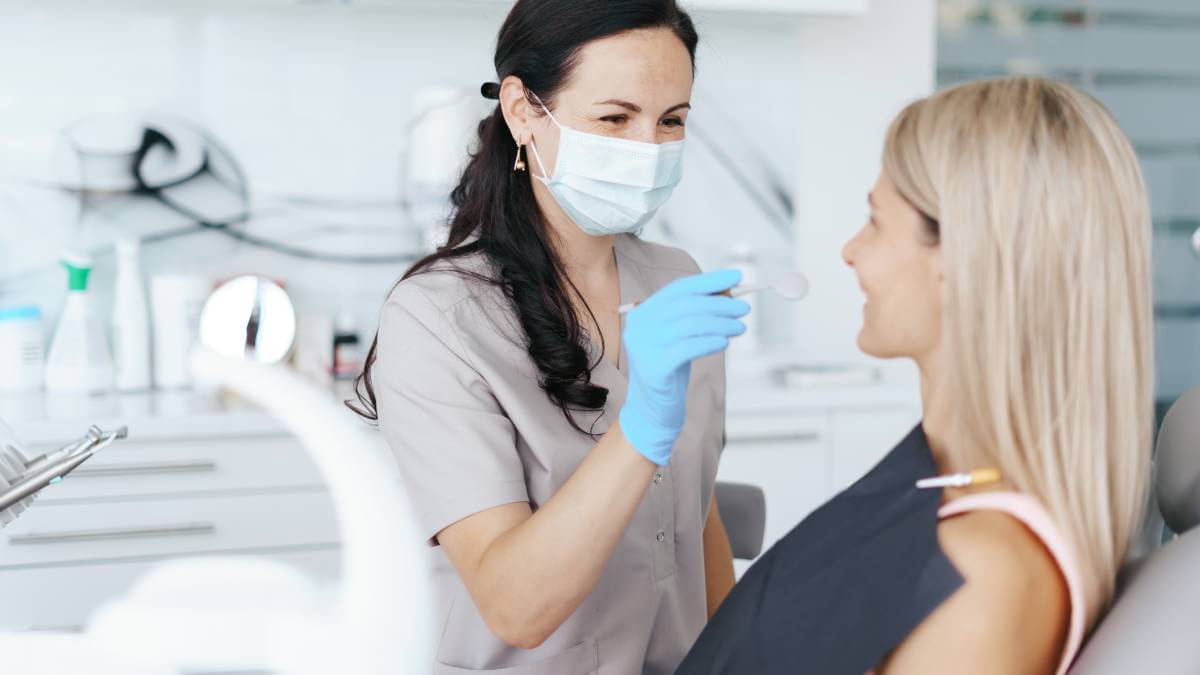
So, what does a dental hygienist do, and why are they such an important part of your dental care? A dental hygienist focuses on prevention, education, and gum health. Their main goal is to help you avoid problems like tooth decay, gum disease, and bad breath before they develop into something more serious.
While dentists diagnose and treat dental conditions, hygienists work alongside them to keep your mouth healthy between check-ups. At our dental clinic in Milton Keynes, our hygienists are a key part of the team, helping patients of all ages maintain healthy teeth and gums.
Below, we explore the most common questions patients ask about dental hygienists:

What Do Dental Hygienists Do?
Dental hygiene, also known as oral health care, focuses on keeping your teeth, gums and mouth healthy over the long term. Organisations such as the NHS provide excellent guidance on the importance of preventive care. A dental hygienist is a registered Dental Care Professional (DCP) who specialises in prevention, gum health and patient education. Their role is not only to clean your teeth but also to help you understand how to properly care for your mouth between appointments.
During a dental hygiene appointment, a hygienist may:
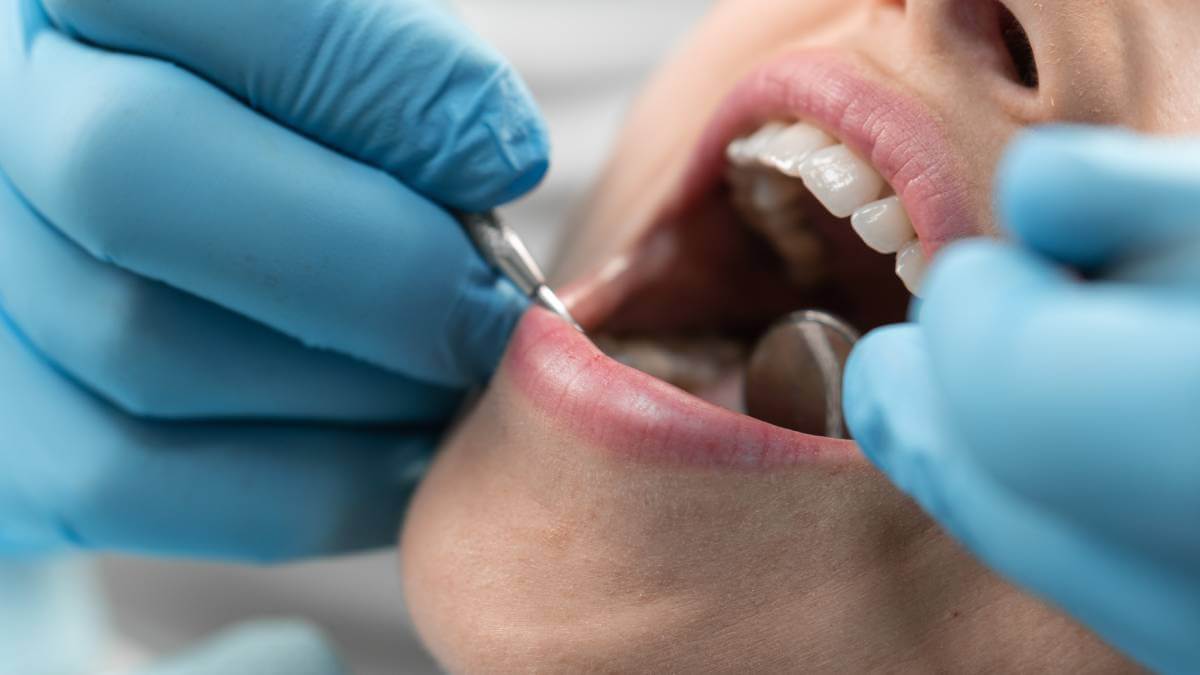
- Professionally clean your teeth to remove plaque and hardened tartar
- Perform scaling and polishing to reduce gum inflammation
- Assess your gum health and look for early signs of gum disease
- Apply fluoride treatments to strengthen tooth enamel
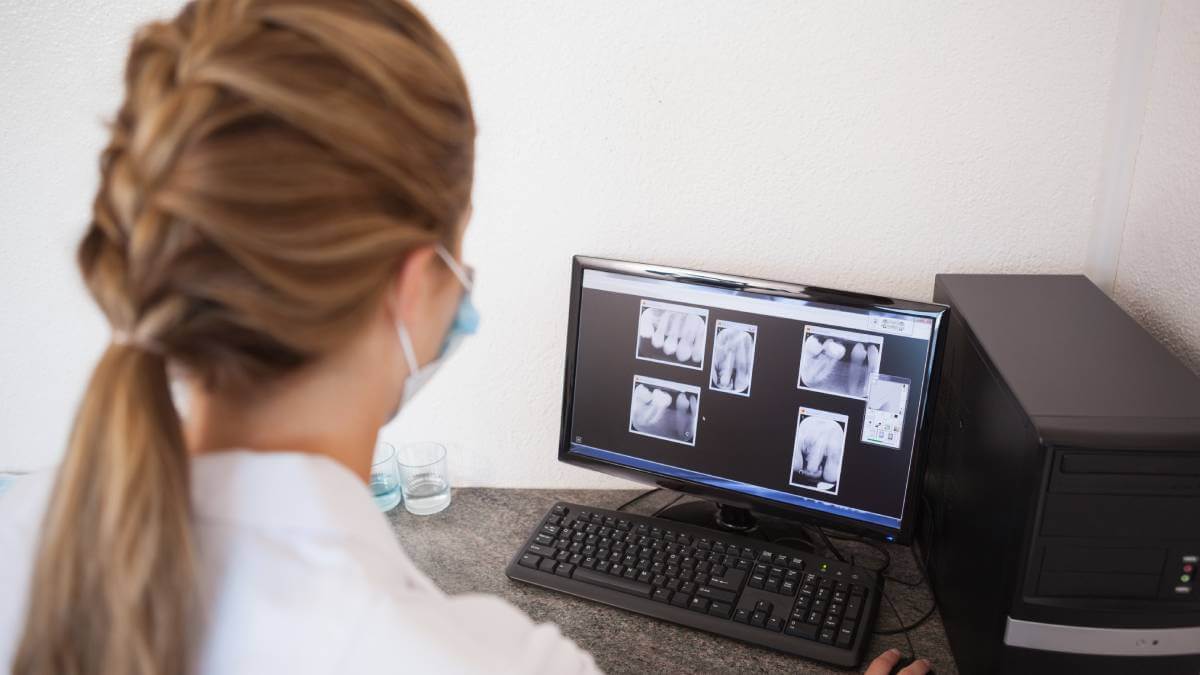
- Take dental X-rays where appropriate
- Provide personalised advice on brushing, flossing and diet
In the UK, dental hygienists can work directly with patients or under a dentist’s prescription. This means you can often book a hygiene appointment without first seeing a dentist, depending on your needs.
Hygienists are often the first line of defence against oral health issues. By removing plaque and bacteria that brushing alone can’t reach, they help prevent gum disease, tooth decay and tooth loss. They also play a key role in educating patients, helping you develop daily habits that protect your smile long term.
Dental hygienists are trained to recognise early warning signs of oral health problems, such as bleeding gums, plaque build-up below the gum line, enamel erosion or early decay. In some cases, untreated decay can progress deeper into the tooth, potentially requiring more advanced treatment such as a root canal. We explain this in more detail in our guide on What Is A Root Canal Treatment?
By identifying these issues early, they can work closely with your dentist to prevent them from progressing into more serious conditions that require invasive treatment. This preventive approach is one of the most effective ways to maintain strong teeth and healthy gums throughout your life.
Is Seeing A Dental Hygienist Necessary?
Many patients ask whether regular hygiene visits are really necessary if they brush and floss at home. While daily oral care is essential, it simply cannot replace professional hygiene treatment.
Yes, seeing a dental hygienist is essential for maintaining good oral health. Even with excellent brushing and flossing, plaque can build up in areas that are difficult to clean at home. Over time, this plaque hardens into tartar, which can only be removed professionally.
Regular hygiene visits help to:
- Remove stubborn plaque and tartar
- Reduce the risk of gum disease
- Prevent tooth decay and enamel damage
- Improve breath freshness
- Keep teeth looking brighter and cleaner
Dental hygienists also help spot early signs of problems such as gingivitis or periodontal disease. Treating these issues early can prevent more complex and costly treatments later.
Your dentist focuses on diagnosing and treating dental conditions, while the hygienist concentrates on prevention. Together, they form a complete approach to oral health. Our dentists in Milton Keynes recommend regular hygiene appointments as part of routine dental care.
Good oral hygiene doesn’t just benefit your mouth. Research has linked gum disease to wider health conditions such as heart disease and diabetes, highlighting how important preventive care really is. The British Dental Association also highlights the strong link between gum health and general health. A hygiene appointment also gives you dedicated time with a professional who can answer questions, demonstrate better brushing techniques and help you address any areas you may be struggling with at home.
Over time, this guidance can make a noticeable difference to your oral health. Research has linked gum disease to wider health conditions such as heart disease and diabetes, highlighting how important preventive care really is.
How Much Is A Dental Hygienist Appointment?
At Walnut Dental, dental hygienist appointments start from £50. This cost reflects the professional care, time, and expertise involved in keeping your teeth and gums healthy. For full pricing details, please visit our fees page.
The exact price may vary depending on the length of the appointment and whether additional treatment is required, such as a deeper clean for gum disease. For the most up-to-date pricing and details, it’s always best to speak directly with our practice team.
Many patients see hygiene appointments as an investment in their long-term oral health, helping to reduce the likelihood of more expensive treatments in the future.
How Often Should You See A Dental Hygienist?
For most people, seeing a dental hygienist every six months is ideal. However, the right frequency depends on your individual oral health, lifestyle, and risk factors.
Common recommendations include:
- Every 6 months: Suitable for many adults with good oral health
- Every 3–4 months: Often advised for patients with gum disease, smokers, pregnant women, or those with medical conditions such as diabetes
- Every 1–2 years: Occasionally appropriate for patients with excellent oral health and low risk, although it’s generally advised not to leave longer than two years
Factors that may influence how often you need to attend include:
- Smoking or vaping
- A diet high in sugar or acidic foods
- Pregnancy-related gum changes
- Orthodontic appliances, implants, or dentures
Your dentist or hygienist will recommend a personalised schedule based on your needs, ensuring you receive the right level of care.
Sticking to the recommended frequency helps maintain stable gum health and prevents small issues from developing into more serious problems. If your circumstances change, such as pregnancy or a new medical diagnosis, your hygiene schedule can be adjusted accordingly.
How Long Does A Dental Hygienist Appointment Take?
A dental hygienist appointment typically lasts between 30 and 60 minutes, depending on your oral health and how long it has been since your last visit.
Appointment lengths may vary as follows:
- Standard scale and polish: 30–45 minutes
- New patients or long gaps between visits: Up to 60 minutes or longer
- Deep cleaning for gum disease: 60 minutes or more
- Children’s appointments: Sometimes as short as 20 minutes
Additional procedures, such as X-rays or targeted stain removal, can also affect appointment length. Your hygienist will always explain what’s involved and make sure you’re comfortable throughout.
Dental Hygiene Tips
Looking after your teeth and gums at home is the foundation of good oral health. Trusted resources like the
NHS oral health advice can support good daily habits alongside professional care. Small, consistent habits can significantly reduce your risk of decay and gum disease.
Good oral hygiene at home is just as important as professional care. Simple daily habits can significantly reduce your risk of dental problems.
- Brush twice a day: Brush for at least two minutes, twice daily, using a fluoride toothpaste.
- Clean between your teeth: Use floss or interdental brushes daily to remove plaque and food debris from areas your toothbrush can’t reach.
- Reduce sugar and improve lifestyle habits: Limit sugary and acidic foods, avoid smoking, and keep alcohol intake moderate to protect your teeth and gums.
- Start early with children: Brush baby teeth as soon as they appear and help children build a consistent brushing routine.
- Attend regular dental check-ups: Don’t delay dental visits. Early detection makes problems easier and less costly to treat.
By combining professional hygiene care with good daily habits, you can protect your teeth and gums for life.
It’s also important to remember that oral health changes over time. Regular reviews with your dentist and hygienist ensure your routine continues to meet your needs as you age.
Looking After Your Smile with Professional Dental Hygiene
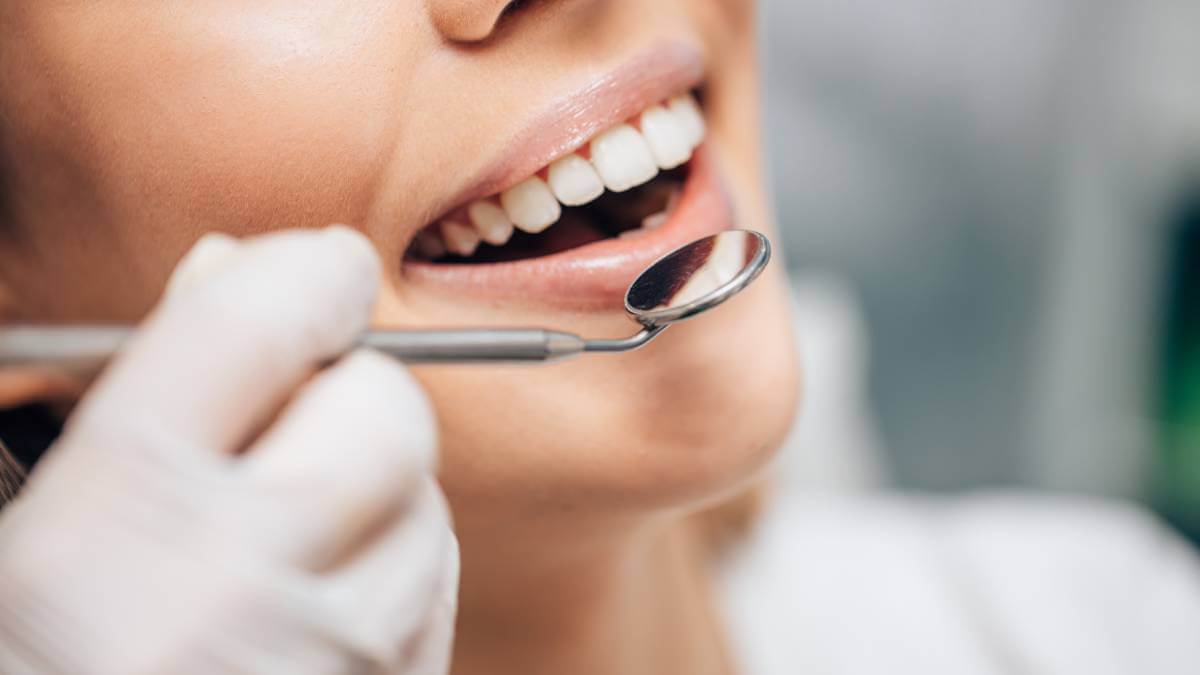
Visiting a dental hygienist is one of the simplest and most effective ways to maintain a healthy smile. If you’re looking for a welcoming, experienced dentist in Milton Keynes, Walnut Dental is here to help. Our friendly team offers professional hygiene care tailored to your needs, helping you feel confident about your oral health at every stage.
If you’re ready to prioritise your oral health or have questions about hygiene appointments, contact us to book your visit or speak to a member of our team – we’re always happy to help.