What Are Veneers? Benefits, Costs & Types Explained

If you’ve ever wondered what are veneers and whether they could help you feel more confident about your smile, you’re not alone. Dental veneers are one of the most popular cosmetic dentistry treatments available today, offering a simple yet effective way to improve the appearance of teeth affected by staining, chips, gaps or uneven shapes.
 
At our dental clinic in Milton Keynes, we regularly speak to patients who want a brighter, more even smile but aren’t sure where to start. Veneers can be a fantastic option for many people, and in this guide, we’ll explain everything you need to know in clear, straightforward terms, from how veneers work to costs, types, longevity and care.

What Are Veneers and How Can They Transform Your Smile?

Dental veneers are thin, custom-made coverings that sit over the front surface of your teeth. They are carefully designed to match the colour, shape, and size of your natural teeth, creating a seamless, natural-looking result.
 
Below, we’ll cover:
 
 
Whether you’re exploring cosmetic dentistry for the first time or considering veneers as part of a wider smile makeover, this guide will help you decide if they’re right for you, with expert insight from your trusted dentist in Milton Keynes.

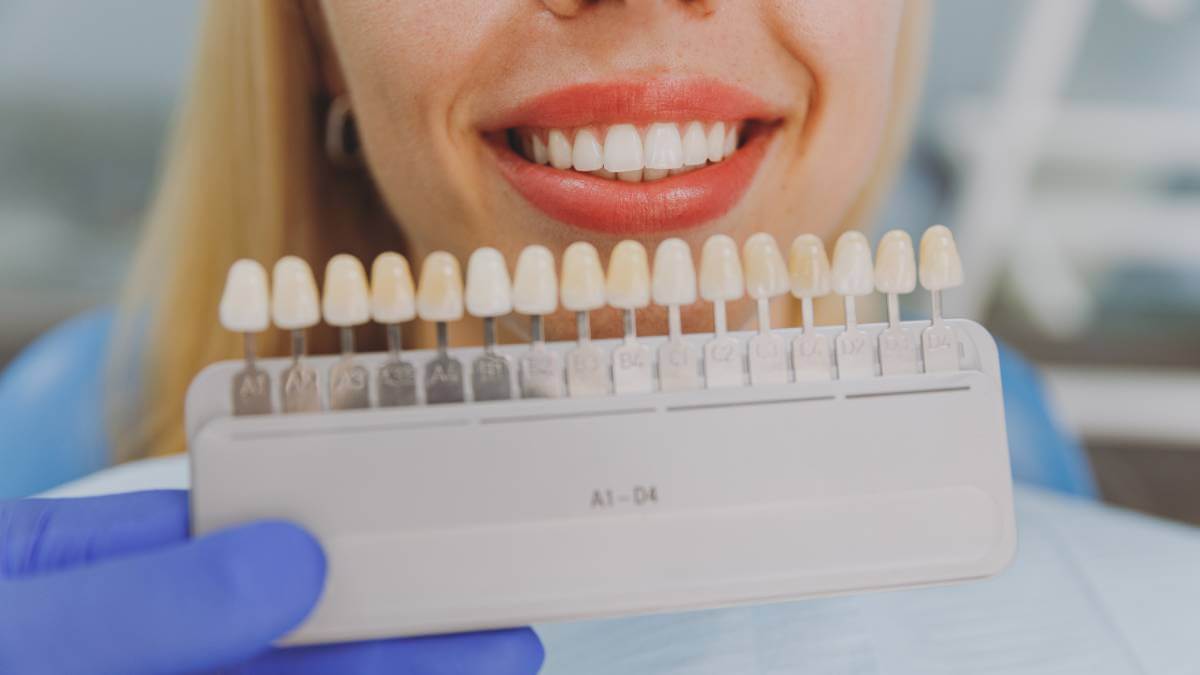
someone smiling next to veneer models

What Are Dental Veneers?

Dental veneers are custom-crafted shells made from porcelain or composite resin that are bonded to the front of your teeth. Their purpose is purely cosmetic; they don’t straighten teeth or treat decay, but they can dramatically enhance the appearance of your smile.
 
Veneers are often described as a “facade” for the teeth. Much like a building’s exterior, they improve how teeth look while preserving the structure underneath. Once fitted, they blend beautifully with your natural teeth and can be tailored to suit subtle enhancements or more dramatic smile transformations.
 

What Can Veneers Fix?

Veneers are incredibly versatile and can address a wide range of cosmetic concerns, including:
 
  • Discolouration: Ideal for covering stains that don’t respond to whitening treatments.
  • Chips and cracks: Masking minor damage to tooth edges.
  • Gaps: Closing small spaces between teeth.
  • Uneven shape or size: Creating symmetry and balance.
  • Mild misalignment: Camouflaging slightly crooked teeth without braces.
Because veneers are individually designed, your dentist can adjust the shade and shape to complement your facial features, skin tone and smile line.
 

How Do Veneers Work?

Veneers work by covering the front surface of the teeth with thin, custom-made shells that are carefully bonded in place to improve shape, colour and overall appearance. The Oral Health Foundation explains that veneers are designed to enhance the visible surface of a tooth while preserving as much of the natural structure as possible, making them a popular option for long-term cosmetic improvement when carried out by a qualified dental professional. 
 

1. Consultation and Smile Planning

Your journey begins with a consultation at Walnut Dental. Your dentist will discuss your goals, examine your teeth and decide whether veneers are the most suitable option. Digital scans or impressions may be taken to help design your veneers with precision.

2. Tooth Preparation

A very small amount of enamel (typically 0.3–0.5mm) is gently removed from the front of each tooth to make space for the veneer. This ensures the final result looks natural and not bulky.

3. Temporary Veneers

Temporary veneers may be placed while your custom veneers are being created in a dental laboratory. These allow you to get used to the look and feel of your new smile.

4. Bonding the Veneers

Once ready, the veneers are permanently bonded to your teeth using a strong dental adhesive. Your dentist carefully adjusts the fit and polish, ensuring comfort and a flawless finish.

The result is a brighter, more even smile that still looks and feels like your own teeth.
 
Before considering cosmetic enhancements such as veneers, it’s important to maintain excellent oral hygiene and periodontal health. For more on the role of hygiene in supporting long-term dental health, see our guide on what does a dental hygienist do?

dentist smiling at patient looking in mirror

Types Of Veneers

There are several types of dental veneers available, each designed to suit different cosmetic goals, budgets and oral health needs. Understanding the differences can help you feel more confident when deciding which option is right for your smile. Your dentist will always assess your teeth, bite and expectations before recommending the most suitable veneer type.
 

Porcelain Veneers:

Porcelain veneers are one of the most popular and trusted cosmetic dentistry solutions, and they are a treatment Walnut Dental Clinic specialises in. Made from high-quality dental ceramic, porcelain veneers closely replicate the translucency and texture of natural tooth enamel, allowing them to blend seamlessly with your existing teeth. The material is also highly resistant to staining, helping veneers maintain their colour even if you regularly enjoy coffee, tea or red wine.

At Walnut Dental, porcelain veneers are carefully planned and custom-made in a dental laboratory to ensure a precise fit and a natural-looking result that complements your smile. The clinical team takes time to assess each patient individually, focusing on both aesthetics and long-term oral health. With the right care and regular check-ups, porcelain veneers can last well over a decade, making them a reliable and lasting investment in your smile.

Best for: Patients seeking long-lasting results, excellent durability and a highly natural-looking finish.
 

Composite Veneers:

Composite veneers are crafted from a tooth-coloured resin that is applied directly to the tooth’s surface and shaped by the dentist during your appointment. This makes them a faster, more affordable option than porcelain veneers, often completed in a single visit.
 
While composite veneers can deliver attractive results, they are slightly more prone to staining and wear over time. However, they can be easily repaired or adjusted if needed, making them a flexible option for many patients.
 
Best for: Budget-conscious patients, minor cosmetic corrections, or those looking for a less invasive treatment.
 

No-Prep Veneers (Such as Lumineers):

No-prep veneers are ultra-thin porcelain veneers that often require little to no removal of natural tooth enamel. This makes them a more conservative and reversible option for some patients. Because they are thinner, they may not be suitable for covering severe discolouration or significantly reshaping teeth.
 
Although less invasive, careful planning is essential to avoid a bulky or unnatural appearance. A thorough consultation will determine whether no-prep veneers are appropriate for your smile.
 
Best for: Patients seeking minimal tooth alteration and a more conservative cosmetic approach.
 

Temporary or Plastic Veneers:

Temporary or plastic veneers are typically used as a short-term cosmetic solution, often while waiting for permanent veneers to be made. These options are not custom-crafted for long-term wear and do not offer the same durability, comfort or appearance as professional veneers.
 
They are generally not recommended for everyday dental use and should only be worn under the guidance of a dentist.
 
Best for: Short-term cosmetic use only, such as during treatment planning.

How Much Are Veneers?

The cost of veneers varies depending on the material used, the number of teeth treated and the complexity of your case.
 
At Walnut Dental, porcelain veneers start from £475 per tooth. This reflects the skill, time and high-quality materials involved in creating a natural, long-lasting result.
 
For the most up-to-date pricing, we recommend visiting our fees page, where you’ll find clear and transparent information.
While veneers are an investment, many patients feel the confidence boost and longevity make them well worth the cost.

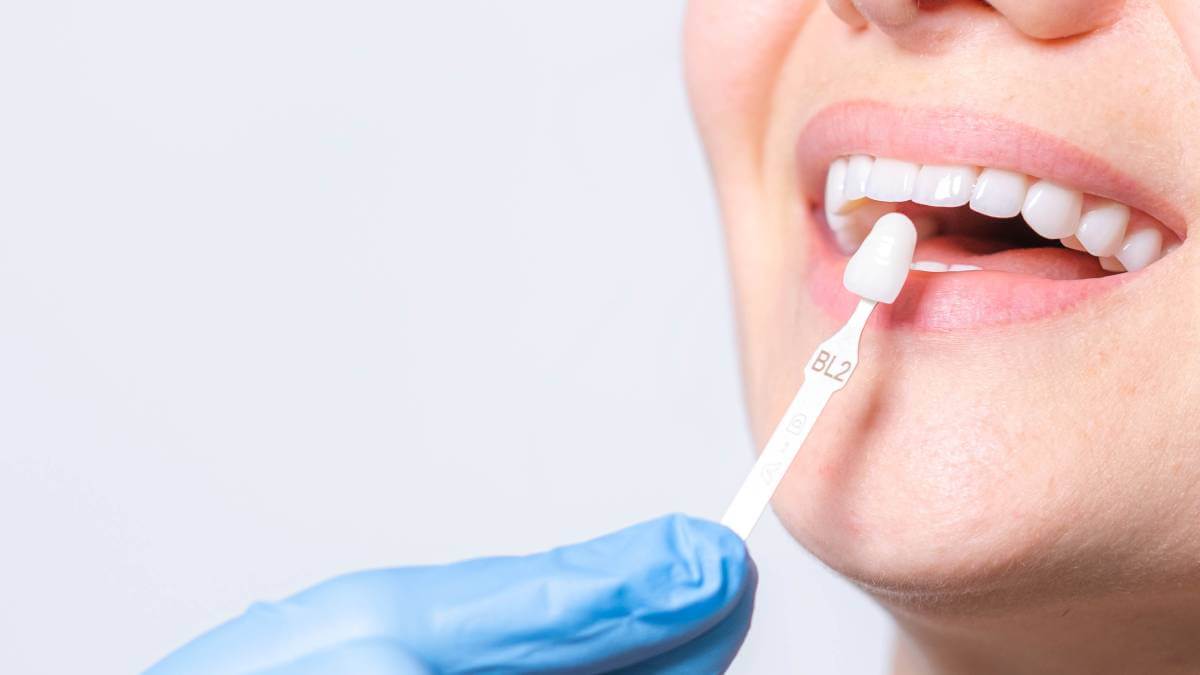
veneer model held up to smile

How Long Do Veneers Last?

With good care and regular dental check-ups, veneers can last for many years and provide long-term improvements to your smile. At Walnut Dental, our porcelain veneers typically last between 10 and 15 years, and in many cases even longer when properly cared for. According to the Oral Health Foundation, maintaining healthy gums and a consistent daily cleaning routine plays a key role in the longevity of cosmetic dental treatments, including veneers. 
 
The lifespan of veneers can vary depending on the material used, your oral hygiene routine and everyday habits such as grinding your teeth or biting on hard objects. Choosing high-quality materials and following your dentist’s aftercare advice plays a key role in how long your veneers will remain in excellent condition.
 

Average Lifespan by Veneer Type:

  • Porcelain veneers: Usually last 10–15 years or more due to their strength, stain resistance and natural enamel-like finish.
  • Composite veneers: Typically last 5–7 years, as the material is softer and more prone to wear or staining over time.
  • Emax veneers: Known for their exceptional durability, these can last 10–20 years with proper care.
It’s important to remember that veneers are not considered permanent. Over time, they may need to be repaired or replaced due to natural wear, chipping, changes in bite, or shifts in your teeth and gums. Attending regular dental check-ups allows your dentist to monitor your veneers, address minor issues early and help extend their lifespan as much as possible.
 

How To Care For Veneers

Looking after veneers requires the same high standard of oral hygiene as natural teeth. Regular brushing, flossing and professional dental care help protect both the veneers and the underlying tooth structure. The NHS provides clear guidance on maintaining healthy teeth and gums, which is essential for prolonging the lifespan of cosmetic treatments.
 

Daily Care Routine:

  • Brush twice daily with fluoride toothpaste and a soft-bristle brush.
  • Floss every day to prevent plaque build-up at the edges.
  • Use an antibacterial mouthwash to support gum health.

What to Avoid:

  • Biting hard objects such as ice or pens.
  • Excessive consumption of staining drinks like coffee, tea and red wine.
  • Smoking, which can affect gum health and bonding.
  • Grinding your teeth, a night guard can help protect your veneers.
Professional Care:

Visit your dentist regularly for check-ups and professional cleaning. If a veneer becomes damaged, seek advice promptly to prevent further issues.

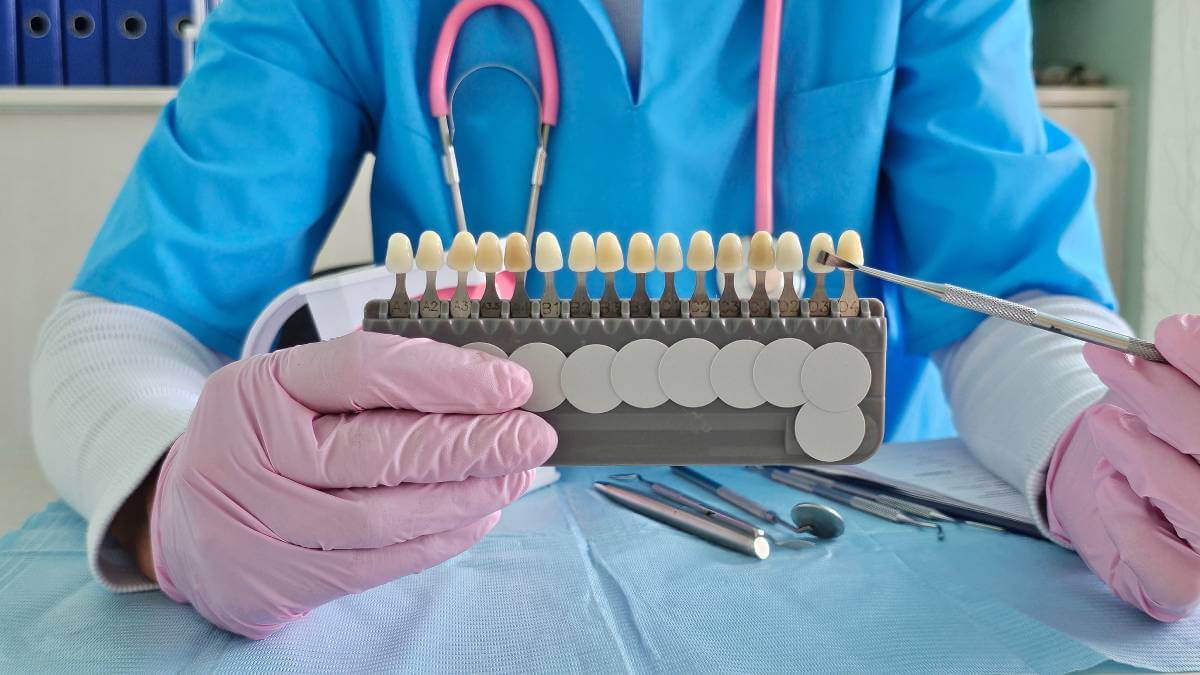
dentist pointing at veneers

Your Next Step Towards a Confident Smile

Choosing veneers is a personal decision, and having the right advice makes all the difference. Whether you’re exploring veneers for the first time or comparing cosmetic options, speaking with an experienced dental team can help you understand what will work best for your smile, lifestyle and budget.
 
At Walnut Dental, our welcoming team takes the time to listen, clearly explain your options, and deliver high-quality care in a relaxed setting. If you’re looking for a trusted dental clinic in Milton Keynes to guide you through your veneer journey, we’re here to help.
 
Contact us to book a consultation and take the next step towards a smile you feel confident sharing.